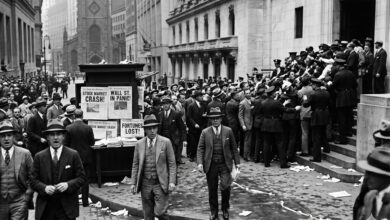


In the early 2000s, the dot-com bubble burst, erasing fortunes and leaving investors terrified of risk. If you pitched certain ideas back then — like an online bookstore that survived the crash or a DVD mail service — you were laughed out of the room.
Yet, the investors who ignored the consensus and bought into these dismissed assets built generational wealth. Here is a look at what the smartest contrarians bought when everyone else was running away.
1. Amazon at its 2001 low
Following the dot-com crash, Amazon’s stock plummeted by more than 90%. Startups that Amazon had backed, like Pets.com, vanished overnight. Wall Street analysts openly predicted bankruptcy, convinced Amazon was just another internet hype machine with no realistic path to profitability.
If you had the nerve to buy at the bottom, the math is staggering. Accounting for subsequent stock splits, shares were trading for roughly $0.30 in late 2001. By the pandemic boom of 2020, those same split-adjusted shares rocketed. An investor who threw a few thousand dollars at a supposedly dying online bookstore in 2001 is sitting on a multi-million dollar fortune today.
2. Apple before the iPod era
In 2001, Microsoft and Intel completely dominated the personal computing market. Apple was viewed as a niche brand for designers, struggling to regain its footing even with Steve Jobs back at the helm. Investors saw little reason to bet on a company that had required a $150 million lifeline from Microsoft just four years prior to stave off collapse.
Trading at roughly $0.30 a share when adjusted for splits, Apple quietly laid the groundwork for the iPod and iPhone. From that 2001 low to today, the stock has returned tens of thousands of percent. It is widely considered the greatest corporate comeback in financial history.
3. Netflix at its 2002 IPO
When the tech sector collapsed, the Netflix founders desperately tried to sell their company to Blockbuster for $50 million. Blockbuster laughed them out of the boardroom. Wall Street largely agreed, viewing the concept of mailing DVDs as a temporary gimmick rather than a scalable business model.
Netflix went public at $15 a share. A $1,000 investment at that IPO price gave you roughly 66 shares. Thanks to multiple stock splits and a highly successful pivot to global streaming, that initial stake multiplied dramatically. Today, that original $1,000 bet is worth hundreds of thousands of dollars.
4. Gold during the Internet boom
At the turn of the millennium, gold was widely mocked as an archaic relic. After trading completely flat for two decades, it was genuinely considered a dead asset. With the internet promising to modernize the global economy, tying up money in physical metal seemed not just conservative — it felt foolish.
In 2001, gold traded for about $270 an ounce. As inflation fears grew and the U.S. dollar faced repeated stress tests over the next two decades, the shiny metal proved its worth. Gold now trades at over $4,500 an ounce — a massive return for an investment everyone assumed was dead.
These days, gold is considered a wise hedge against inflation and uncertain markets, and leading companies are giving away up to $15,000 in FREE GOLD with qualifying accounts.
5. Buying distressed bonds in 2001
Following the dot-com crash, several major American corporations were in severe financial crisis. Almost no one on Wall Street wanted anything to do with near-bankrupt corporate bonds. The risk of total loss seemed too high for mainstream investors.
Hedge fund manager David Tepper saw blood in the streets and started buying the distressed debt of struggling companies. By taking advantage of the sheer panic, his fund generated a stunning 61% return in 2001 alone. It remains a masterclass in buying when others are terrified.
6. Bitcoin in its earliest days
When a mysterious whitepaper outlined a digital currency with no central authority, no physical form, and no government backing, traditional economists called it a scam. Wall Street banks completely ignored it.
Early adopters who mined or bought coins for pennies experienced a financial anomaly. A $100 investment in mid-2010 — when coins traded for roughly $0.08 — bought 1,250 coins. At the peak of the market, that single $100 bill turned into more than $150 million. It remains one of the highest-returning assets of the century.
What the crowd is missing today
The greatest investment returns rarely come from buying what is universally popular. They come from identifying value where the rest of the market sees only failure. You cannot time-travel to 2001, but the core lesson remains critical for your portfolio. Whether it is emerging-market debt, overlooked commodities, or out-of-favor tech sectors, the next generation of wealth builders is likely something you are currently ignoring.
If you have over $100,000 in savings, consider getting advice from a pro before investing in the next overlooked company or opportunity. SmartAsset offers a free service that matches you to a vetted, fiduciary advisor in less than five minutes.
Source link