
History
-
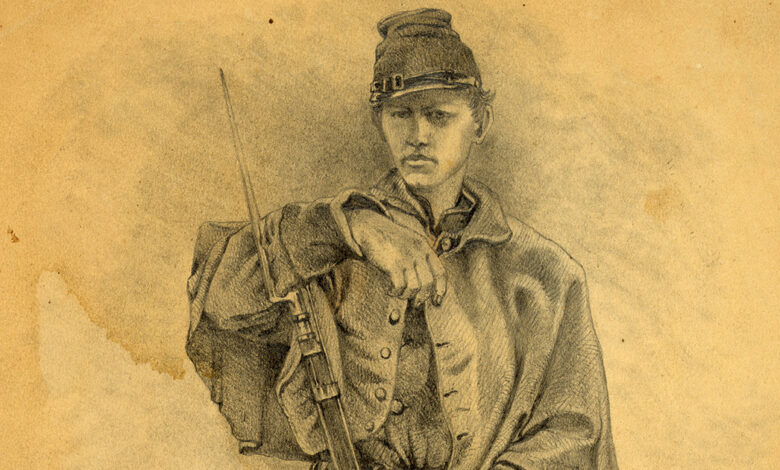
The Poignant Tale Behind a Celebrated Civil War Sketch
Odds are there isn’t a Civil War buff living who hasn’t seen a copy of this remarkable pencil sketch (above) by special artist Edwin Forbes, which Forbes labeled as “William J. Jackson, Sergt. Maj. 12th N.Y. Vol.—Sketched at Stoneman’s Switch, near Fredricksburg [sic], Va. Jan. 27th, 1863.” The young noncom has gazed back at us across the years from countless…
Read More » -

This Quiet Missionary Survived the Lincoln County War to Live Among the Zunis
The Rev. Dr. Taylor Filmore Ealy faced many struggles, most not of his own making, while a Presbyterian medical missionary between 1874 and 1881—first at Fort Arbuckle, on the Chickasaw Reservation in Oklahoma Territory; then in volatile Lincoln, New Mexico Territory; and finally at Zuni Pueblo, also in New Mexico Territory. Some of that time he kept a journal. Daughter…
Read More » -
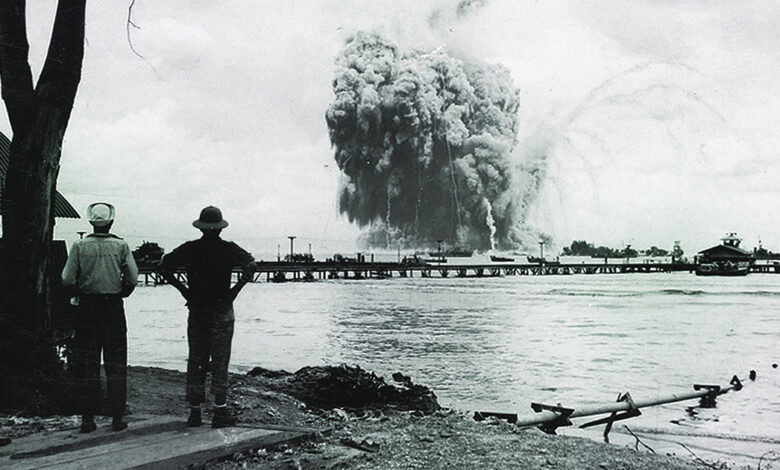
The Explosion of Mount Hood
The motor launch tied up at the small-boat pier in Seeadler Harbor in New Guinea to disembark a dozen men from the ammunition carrier USS Mount Hood. The date was November 10, 1944. Led by the ship’s communications officer, Lieutenant Lester Hull Wallace, the group had several errands to run on shore before returning to the ship. Wallace planned to…
Read More » -
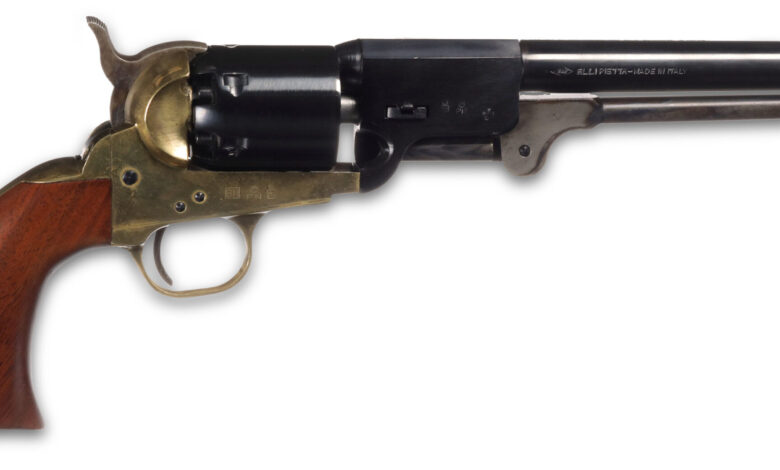
Buffalo Bill’s Tours of Italy and the ‘Spaghetti Western’ Inspired Replica Old West Firearms
Virtually every Old West aficionado is familiar with Buffalo Bill Cody’s popular Wild West shows, which traveled the United States and across the Atlantic Ocean in the late 19th and early 20th centuries. During Cody’s 1890 and 1906 European tours throngs of Italians in arenas from Rome to Bologna thrilled at the showmanship of Buffalo Bill and his revolving cast…
Read More » -
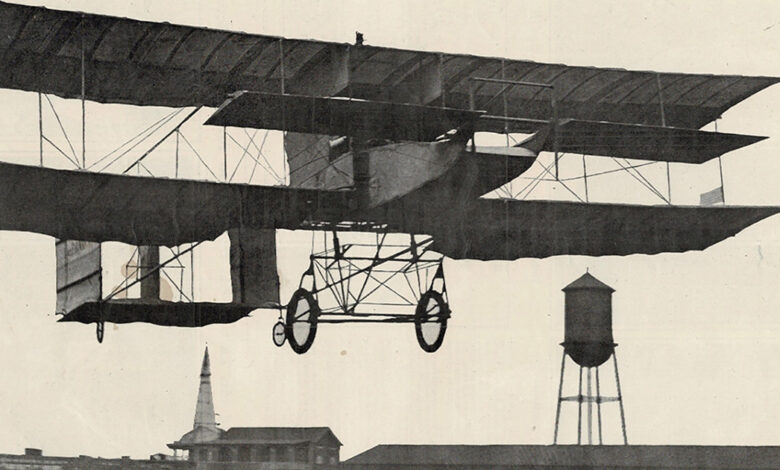
This Frenchman Tried to Best the Wright Brothers on Their Home Turf
Frenchman Henri Farman was already a celebrated cycling champion, race car driver and entrepreneur when he ordered a biplane from the world’s first airplane factory, Les Frères Voisin. Five months later, in January 1908, he won Ernest Archdeacon’s prize for the first officially observed heavier-than-air flight over a one-kilometer circular course. A week after making Europe’s first flight outside France…
Read More » -
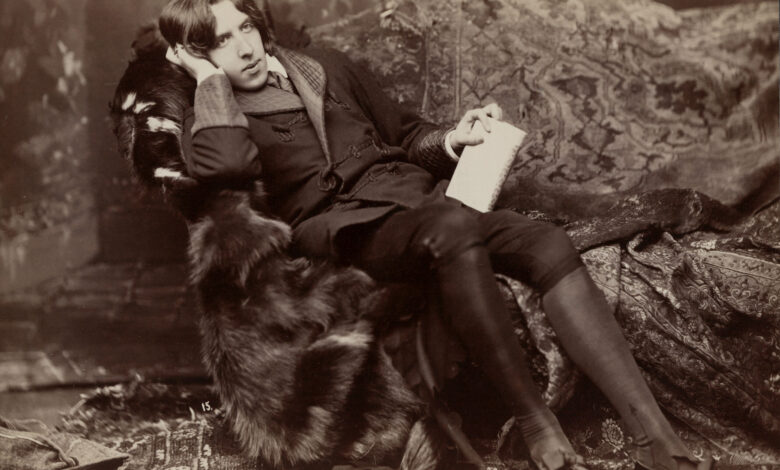
Oscar Wilde Bothered and Bewildered Westerners While Touring to Promote Gilbert and Sullivan
Of all the city slickers ever to venture into the 19th century American West, Oscar Wilde towered above the rest, preening like a peacock with his ostentatious wardrobe, his philosophy of art and his knack for spilling printer’s ink across the pages of Western newspapers. In the parlance of the cowboy, Wilde exemplified the “swivel dude,” a gaudy fellow worthy…
Read More » -
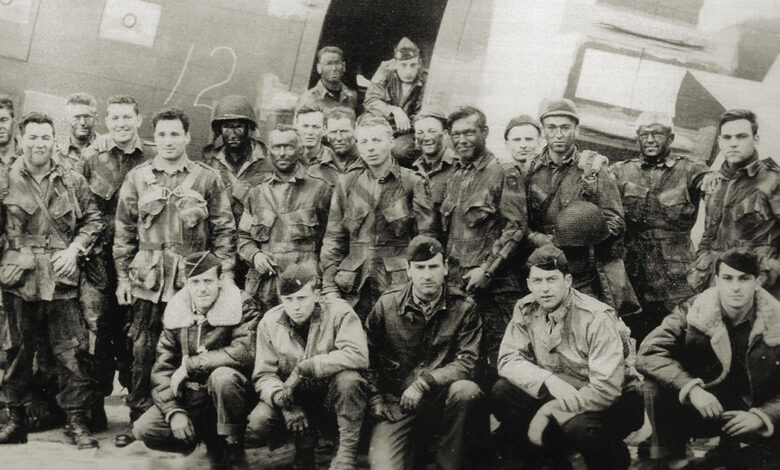
Could These American Paratroopers Stop the Germans from Reaching Utah Beach on D-Day?
O n the evening of June 5, 1944, Louis Leroux, his wife, and their six children scrambled atop an embankment near their farm to investigate the sounds of distant explosions. Three miles south, Allied fighter-bombers were attacking bridges over the Douve River on France’s Cotentin Peninsula. In the fading twilight the family watched silhouetted warplanes peel away from the glowing…
Read More » -
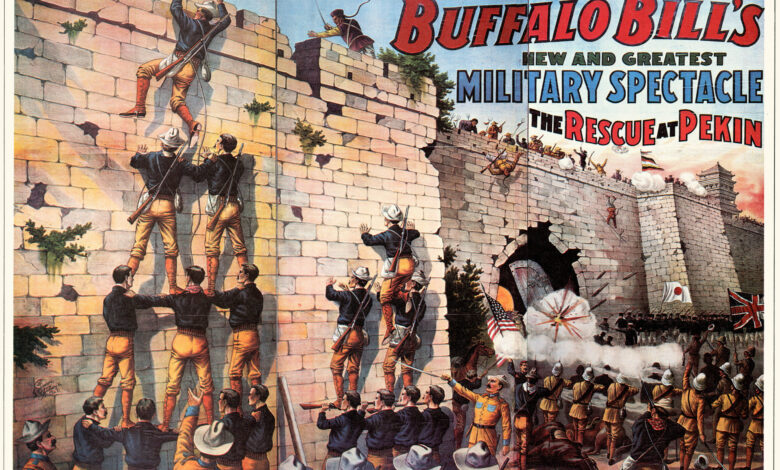
As the Boxer Rebellion Stole Headlines from His Wild West, Buffalo Bill Put the Clash into His Show
Fresh from robbing the Deadwood Stagecoach, the Sioux performers of Buffalo Bill’s Wild West changed into loose-fitting Chinese garb and attached long single braids to the backs of their heads, mimicking the clothing and hairstyle of the Boxers then rebelling halfway around the world. Thus was the stage set for the “Western Easterners” to man a wall and defend their…
Read More » -
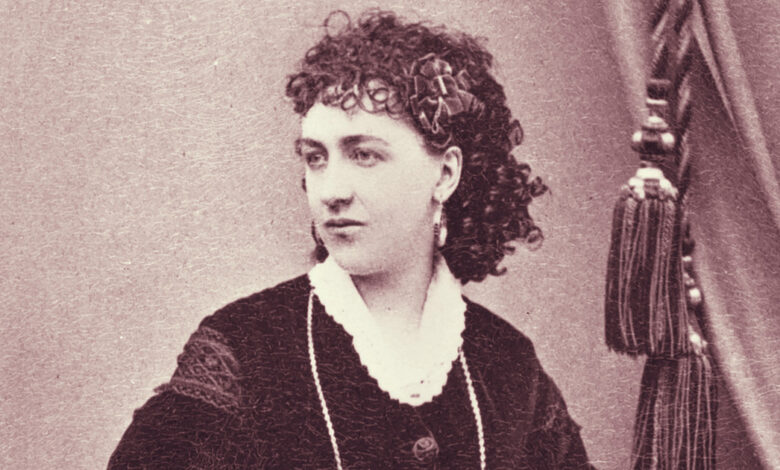
This Victorian-Era Performer Learned that the Stage Life in the American West Wasn’t All Applause and Bouquets
The California Gold Rush. The very words evoked the strong reaction of an American populace driven by adventure and a lust for easy riches. Drawn inexorably west in the wake of the Jan. 24, 1848, strike at Sutter’s Mill were argonauts from every walk of life—shopkeepers, former soldiers, fallen women and those willing to parade their talents onstage for bemused…
Read More » -
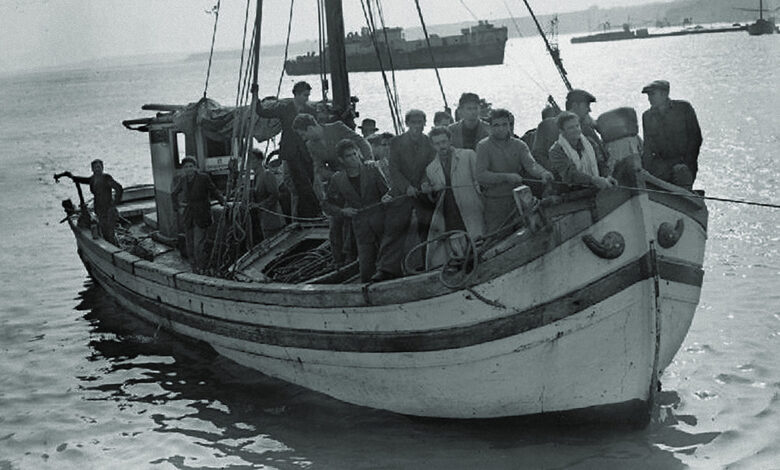
An SAS Rescue Mission Mission Gone Wrong
Norman Crockatt is not a well-known name, but the British intelligence officer was responsible for one of the most controversial decisions of World War II. When the War Office in London created Military Intelligence Section 9 (MI9) on December 23, 1939, it chose the 45-year-old Crockatt to head the new organization. The former head of the London Stock Exchange, he…
Read More »