
Nature
-
How should I respond to race-based exclusion in my lab?
The problem Dear Nature, I am an early-career researcher of Asian heritage working in an engineering research group in western Europe. Some laboratory members who grew up in Western Europe, including ones in senior positions, seem to have higher expectations of me and my Asian colleagues than they have of others. We’re expected to perform better academically and we have…
Read More » -
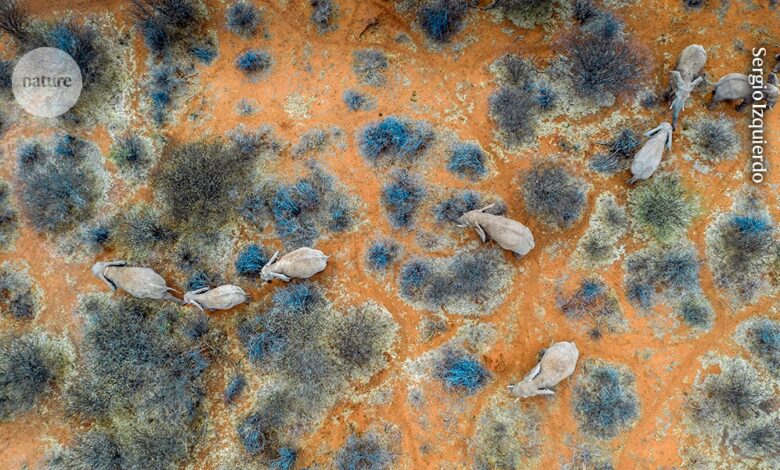
How AI is revealing the secret lives of animals from hummingbirds to pumas
Peering out at California’s San Gabriel Mountains through the windows of my cabin, I can still recall the massive wildfire that incinerated more than 40,000 hectares of Angeles National Forest in 2020. As colossal columns of smoke rose above the ridge line, newsreaders reported that no homes had been destroyed and that the blaze had not caused any injuries. That…
Read More » -
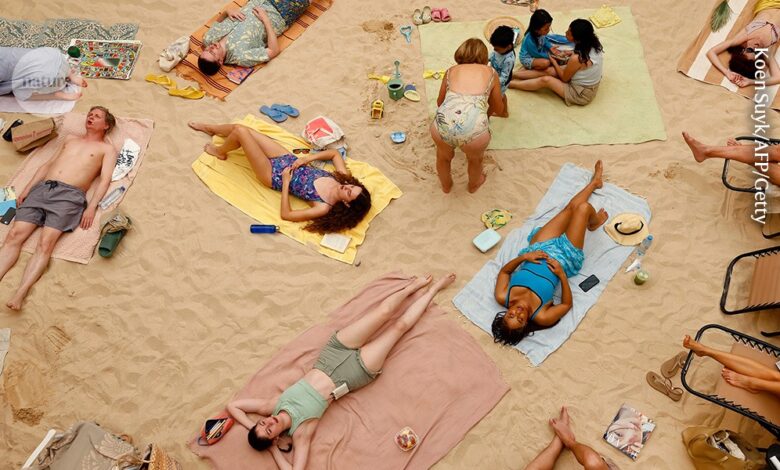
The best way to start your day? The science backs naked cartwheels in the sun
Exposing your skin to sunlight helps your body to produce vitamin D, which supports healthy bones. Credit: Leopoldo Smith Murillo/Getty In Defense of Sunlight: The Surprising Science of Sun Exposure Rowan Jacobsen Scribner (2026) From childhood, science writer Rowan Jacobsen learnt that sunlight is bad news and the main cause of skin cancer, and that its hazardous rays should be…
Read More » -
Will AI ruin the social sciences — or revolutionize them?
When psychologist Raluca Rilla asked volunteers to complete a survey last year, she got the following response to one of her questions: “I don’t experience confusion in the same way humans do.” Rilla, a PhD student at the Max Planck Institute for Human Development in Berlin, suspects that this is the obvious tip of a large and worrying iceberg —…
Read More » -
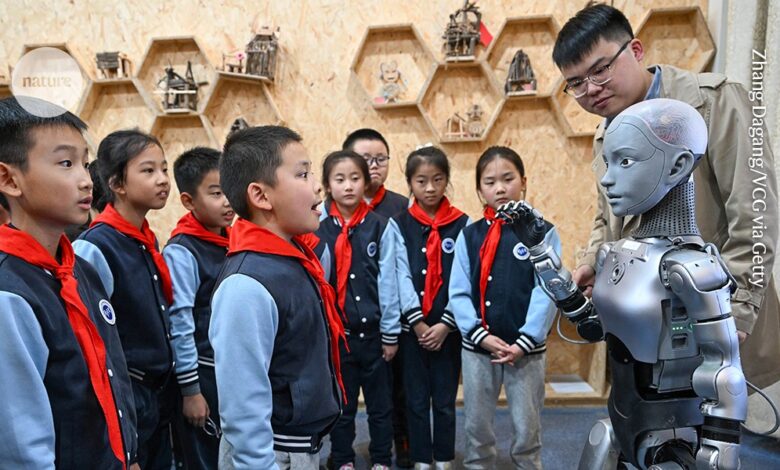
Innovation starts in schools — lessons from China
In early 2025, the Chinese artificial-intelligence company DeepSeek, based in Hangzhou, unveiled DeepSeek-R1, a high-performance large language model developed at a fraction of the cost of its Western counterparts. Silicon Valley investor Marc Andreessen called it “AI’s Sputnik moment”. Later that year, Chinese robotics firm Unitree, also based in Hangzhou, released its R1 humanoid robot, which has capabilities approaching those…
Read More » -
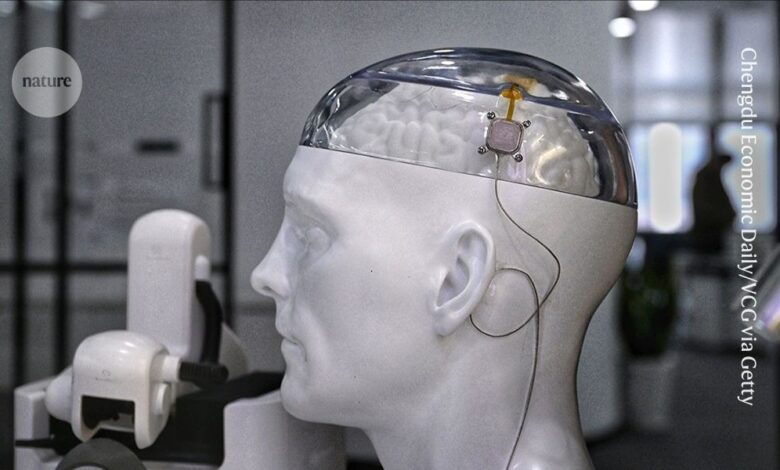
China moves AI brain implants from trials towards real-world use
A brain-computer interface developed by Chinese company NeuroXess.Credit: Chengdu Economic Daily/VCG via Getty Chinese companies are racing to develop and deploy artificial-intelligence powered brain–computer interfaces (BCIs) that can help people to move, speak and control devices. BCIs, which link a person’s brain to an external device or a computer using sensors placed around or inside the head, have been used…
Read More » -
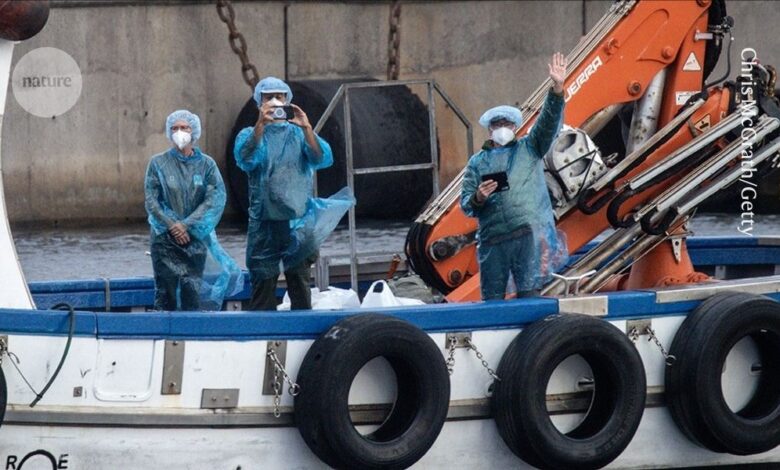
Hantavirus outbreak exposes uncertainty about how disease spreads
Passengers disembarked from the MV Hondius at the Canary Islands wearing personal protective equipment.Credit: Chris McGrath/Getty Close to 150 passengers and crew members on the cruise ship MV Hondius struck by an outbreak of a deadly hantavirus have disembarked and are returning to their home countries, where they will quarantine. The way that will happen, however, will differ between countries,…
Read More » -
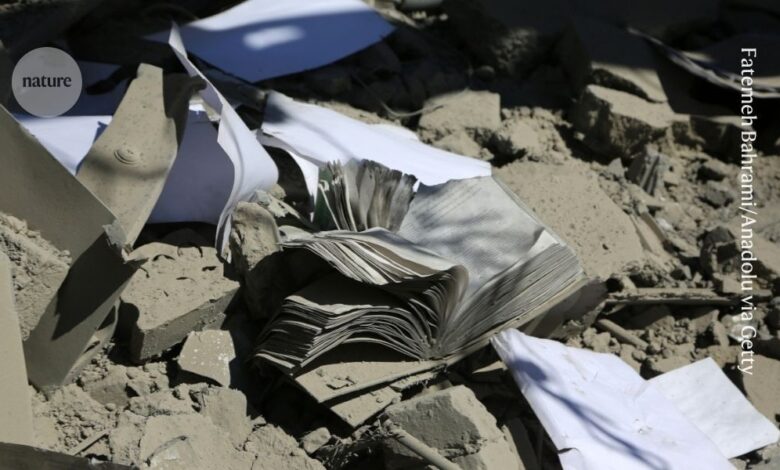
Iranian scientists on losing labs, libraries and liberty
Sharif University of Technology after it was bombed on 7 April 2026.Credit: Fatemeh Bahrami/Anadolu via Getty Bombs dropped by the United States and Israel on Iran have damaged some 30 universities since war began on 28 February, according to the Iranian Red Crescent Society. In an open letter to United Nations officials and the governments of parties to the conflict,…
Read More » -
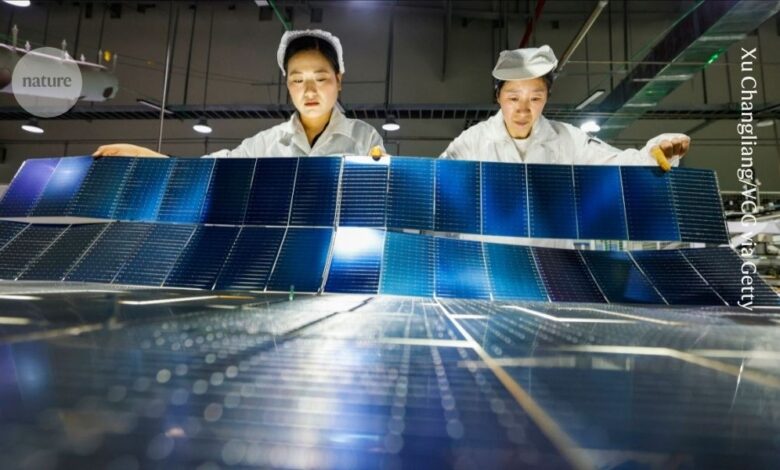
match 680,000 innovators with companies
Only a small portion of patents owned by universities in China become commercial products.Credit: Xu Changliang/VCG via Getty China’s intellectual-property regulator has been playing matchmaker — connecting researchers with patents to companies that can commercialize them. Last month, the China National Intellectual Property Administration said that as a result of these introductions around 80,000 patents from universities and research institutes…
Read More » -
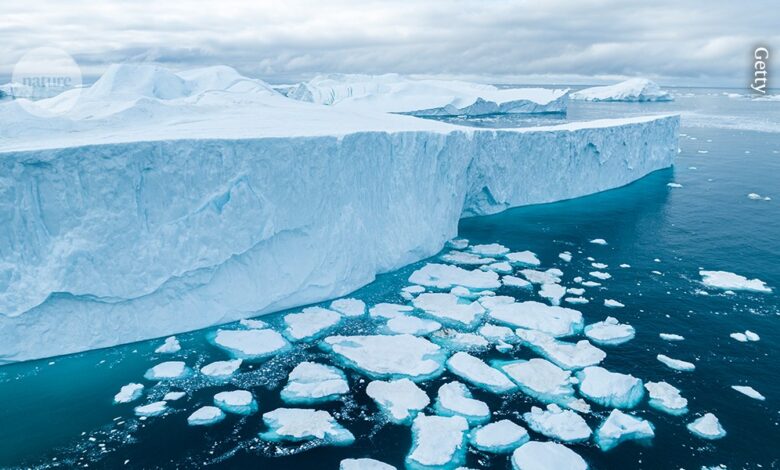
What does the future hold for the thawing Arctic?
Unfrozen: The Fight for the Future of the Arctic Mia Bennett & Klaus Dodds Yale Univ. Press (2025) From the rising temperatures of the climate crisis to the cooling of relations between Arctic states, metaphors of hot and cold pop up frequently in discussions about the Arctic. Political geographers Mia Bennett and Klaus Dodds put them to good effect in…
Read More »