
A ChatGPT prompt almost killed Ryan Serhant’s $50 million NYC penthouse deal. Here’s how he saved it


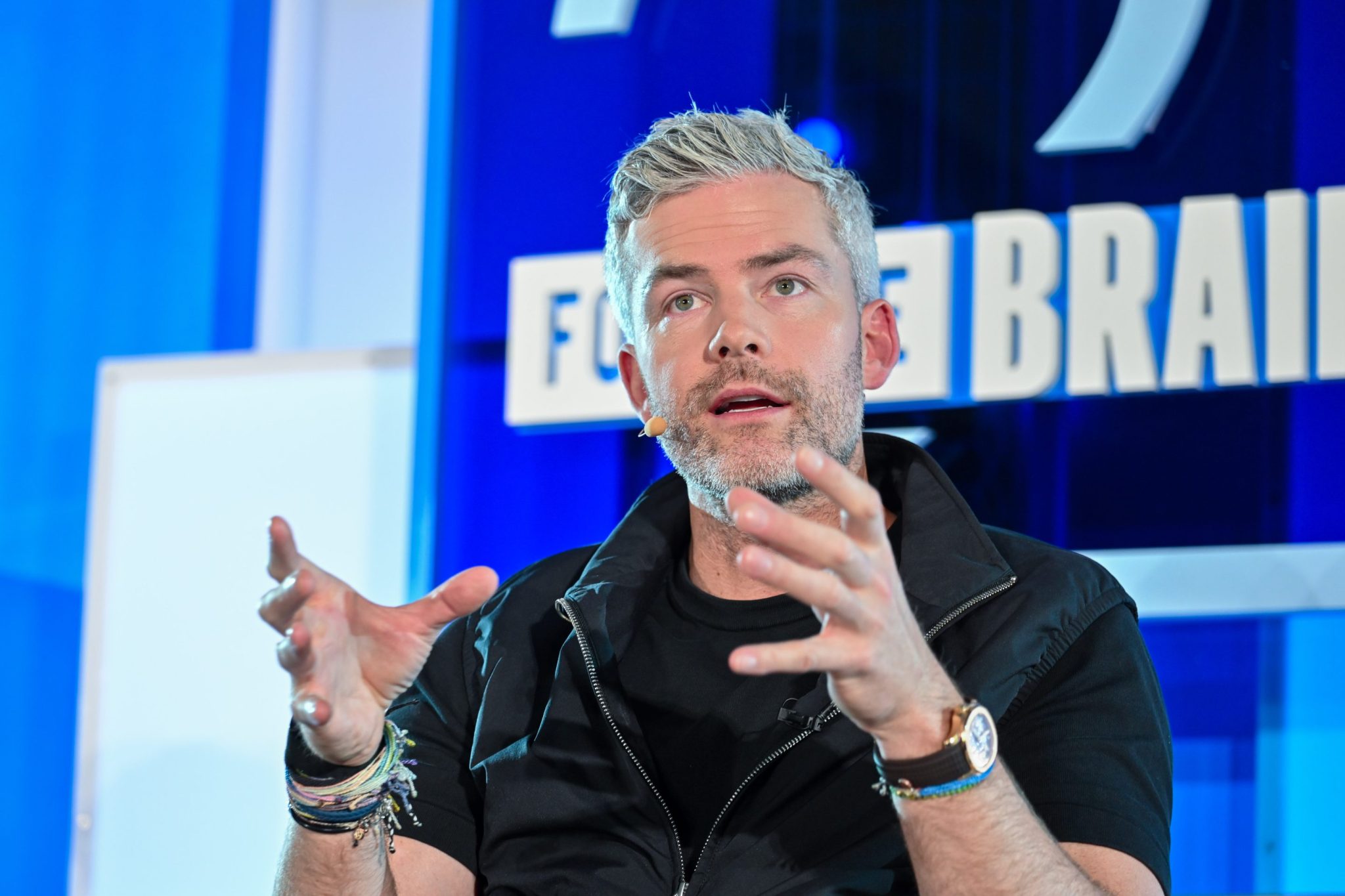
AI can drudge up untrustworthy sources or just feel kind of “off,” but the technology has also been pretty consequential for some business owners. In fact, celebrity real estate agent Ryan Serhant said at Fortune’s Brainstorm Tech conference last week that ChatGPT nearly blew a $50 million deal for his firm.
When asked by Fortune’s Term Sheet Editor Allie Garfinkle about what happens when AI goes wrong, Serhant, the founder and CEO of his namesake brokerage Serhant, remembered a time when he was selling a New York City penthouse.
It was the kind of trophy asset that’s infamously hard to price because it’s impossible to find comparisons. After what Serhant described as a “contentious” back-and-forth—he likened it to dueling “kings of the world,” with the buyer and the seller each wanting to win—the deal sheet went out at $50 million flat. Then, at the 11th hour, it nearly died.
That’s because the buyer, Serhant said, went to ChatGPT and typed a version of “I’m looking to buy this, is $50 million too much?” The chatbot said yes.
The buyer’s broker then called Serhant to pull out of the deal because AI said it wasn’t worth it. Unsurprisingly, Serhant’s reaction was pretty blunt, telling the broker the move was “dumb” and “stupid.”
Serhant recalled telling the buyer’s broker “your client’s incredibly smart and wealthy, isn’t he using the data? He’s like, ‘I don’t know what to tell you, man. Super intelligence just told him, ‘Don’t do this, it’s not worth it.’”
So then Serhant had to relay the bad news to his client, who did what “anyone would do in that situation,” and turned to ChatGPT too.
The client asked ChatGPT the inverse question: “I have a buyer that no longer wants to spend [$50 million] because you told him not to. Is $50 million too little? And ChatGPT said, ‘You know what, you’re right, it is.’”
To salvage the deal, the fix wasn’t using more AI. It was using old-fashioned research like “off-market context and data that LLMs can’t scrape,” Serhant said.
He also went on to post a video about the debacle on social media, which he said racked up 3 million views in about three hours. Both clients saw it, both came back to the table, and the deal got done.
AI models “know the history of the internet, they don’t know the path forward, and they don’t know what the internet, and Reddit, and Zillow and Realtor.com does not know,” Serhant said. “And we got the deal done, and now I can tell that story as a win and not as a fail.”
This story is part of a larger debate he has been having publicly for a while about whether AI amplifies real estate agents or replaces them. It’s a controversy that’s been simmering for a couple of years now, with one award-winning professor telling Fortune in March 2024 that real estate agents are becoming more like travel agents.
“If you think about what an agent does for you, I think it’s very different than what they used to do for you because so much more information is available on the internet,” Andrew C. Spieler, a distinguished professor in business and finance at Hofstra University, told Fortune.
Like travel agents, realtors were once the “gatekeepers” of information. They had access to MLS listings that consumers couldn’t find on their own, so buyers had to be much more “dependent” on their agents to even start house hunting. But now, he argued, that information is more readily available.
Unsurprisingly, real estate agents beg to differ. Serhant, for example, said real estate agents are even more important to wealthier clients because they want to be told what to do, have someone to defer to, and if something goes wrong, someone to blame. AI can’t absorb that, he said.
“People hate being sold,” Serhant said. “But they love shopping with friends.”
Source link