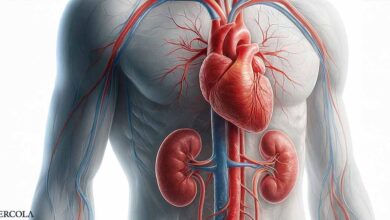

Your kidneys do far more than filter waste. They shape your blood pressure, your circulation, your fluid balance, and even the rhythm of your heartbeat. When they start to falter, the damage rarely announces itself. There’s no chest pain, no dramatic warning sign, no clear moment when something feels wrong. Instead, kidney function slips downward year after year while you continue to feel mostly fine, which is exactly what makes chronic kidney disease so dangerous.
Here’s what most people don’t realize: when kidneys start failing, the first organ to suffer often isn’t the kidneys. It’s the heart. Long before dialysis ever enters the conversation, injured kidneys begin reshaping the cardiovascular system. Most adults can recite their cholesterol number from memory, yet very few could tell you whether their kidneys are filtering normally or already under stress.
The tests that would reveal the answer are inexpensive, widely available, and often already sitting inside routine bloodwork, but the results rarely get explained in a way that connects them to heart attack, stroke, or heart failure risk. Recent research has uncovered something startling: damaged kidneys actively release particles into the bloodstream that travel to the heart and injure cardiac muscle cells directly.
The kidneys aren’t just failing alongside the heart; they’re actively damaging it. Understanding this connection gives you something powerful: the chance to intervene while the damage is still reversible.
2 Simple Kidney Tests Reveal Hidden Heart Danger
Harvard Health Publishing examined the growing evidence linking chronic kidney disease to cardiovascular disease and explained why doctors now view the kidneys and heart as deeply connected systems rather than separate organs.1 Dr. John Ostrominski from Harvard-affiliated Brigham and Women’s Hospital stressed that chronic kidney disease often goes unnoticed even though it affects about 1 in 7 U.S. adults.
Early chronic kidney disease often develops silently because the kidneys compensate for damage over long periods. You might feel normal while kidney function steadily declines. Once symptoms finally appear, they often include swelling in the legs or ankles, fatigue, trouble breathing, exercise intolerance, and changes in urination. By that stage, substantial damage has already occurred. This is exactly why early testing changes outcomes.
You gain a chance to slow progression before the disease starts affecting circulation, fluid balance, and heart function.
• Two screening tests give an early warning long before a medical emergency develops — The first test is estimated glomerular filtration rate, called eGFR, which measures how effectively your kidneys filter waste from your blood. A score of 90 or higher is considered normal, while values below 60 signal impaired kidney function.
The second test is the urine albumin-to-creatinine ratio, called UACR, which checks whether protein leaks into your urine. Healthy kidneys keep protein inside your bloodstream. Once albumin starts leaking into urine, it signals structural kidney damage.
• Protein leakage in urine strongly predicts future heart problems — Ostrominski explained that elevated UACR levels reveal cardiovascular strain and future heart risk. According to the report, both low eGFR scores and high UACR values are strongly linked with greater risk of heart attacks, strokes, heart failure, and atrial fibrillation, which is an irregular heartbeat rhythm. That means a simple urine test gives you an early look at whether your blood vessels and circulation are already under stress.
• High blood pressure and diabetes damage the kidneys through direct physical strain — Elevated blood pressure forces the body to hold onto more sodium and fluid, increasing pressure inside the tiny blood vessels within the kidneys. Over time, this chronic stress damages the filtration system itself.
Diabetes creates a second layer of injury because prolonged exposure to high blood sugar thickens and damages microscopic kidney blood vessels called capillaries. Once those delicate filters stiffen and narrow, waste removal slows and inflammation rises.
• The kidneys and heart create a feedback loop that worsens both diseases together — Healthy kidneys help regulate blood pressure, fluid levels, and mineral balance, all of which directly affect heart function. When kidney function declines, fluid builds up more easily, blood pressure rises further, and the heart works harder to move blood throughout your body.
That extra strain increases the likelihood of heart enlargement, rhythm disturbances, and heart failure. At the same time, weakened heart function reduces blood flow back to the kidneys, which accelerates additional kidney damage.
• Metabolic dysfunction sits at the center of this entire process — Cardiovascular-kidney-metabolic syndrome, often shortened to CKM syndrome, links obesity, diabetes, high blood pressure, kidney disease, and cardiovascular disease together because they share the same underlying metabolic drivers.2 Excess body fat, poor blood sugar regulation, chronic inflammation, and impaired energy production damage multiple organ systems simultaneously.
Tiny Kidney Particles Damage the Heart Directly
Research published in Circulation investigated why so many people with chronic kidney disease develop heart failure even when doctors aggressively manage blood pressure, diabetes, and cholesterol.3 Researchers studied blood samples from 35 patients with moderate to advanced kidney disease and compared them to healthy controls.
Instead of focusing only on conventional risk factors, the team examined microscopic particles called extracellular vesicles, tiny membrane-covered packages released by cells into the bloodstream.
Think of extracellular vesicles as microscopic mail packages sealed in membrane envelopes. Cells normally use them to send routine messages to other cells. But when kidneys are damaged, they start mailing toxic cargo — genetic instructions and stress signals — that travel through the bloodstream and get opened by heart muscle cells, which then begin shutting down.
These extracellular vesicles carried genetic material and stress signals from injured kidney tissue directly into circulation. Once these particles reached heart muscle cells, they triggered cell death and interfered with the heart’s ability to contract normally. Researchers repeatedly described the kidney-derived vesicles as “cardiotoxic,” meaning directly harmful to heart tissue itself. That changes the entire understanding of kidney disease because the kidneys actively send damaging signals throughout the body.
• The study found direct evidence of heart muscle injury — Researchers exposed healthy heart muscle cells to extracellular vesicles taken from patients with kidney disease. Those cells rapidly showed increased apoptosis, which is programmed cell death. The heart cells began shutting themselves down after exposure to these kidney-derived particles.
Healthy control vesicles didn’t create the same damage. That confirmed the harmful effect came specifically from the diseased kidneys rather than from normal circulation.
• Heart contraction strength also weakened significantly — The study examined how well heart muscle cells squeezed and relaxed after exposure to kidney-derived vesicles. Researchers found impaired contractility, meaning the heart cells struggled to pump efficiently.
Calcium handling inside the cells also became disrupted. Calcium acts like an electrical timing signal that tells heart muscle when to contract and relax. Once calcium balance breaks down, the heartbeat loses efficiency and stability. Over time, this creates the conditions for heart failure and rhythm disturbances.
• The harmful particles carried specific microRNAs linked to tissue damage — MicroRNAs are tiny genetic regulators that switch certain cellular programs on or off. They work like dimmer switches on your genes. Each one can turn down specific cellular activities, including the genes that tell heart muscle how to contract properly. When the wrong microRNAs flood into heart cells, they essentially dim the lights on the machinery that keeps your heartbeat strong.
The researchers identified distinct microRNAs inside the extracellular vesicles that directly interfered with genes responsible for healthy heart contraction. When researchers inserted these microRNAs into laboratory-grown human heart cells, the cells showed the same toxic effects seen earlier in the study. This gave scientists a clearer explanation for how kidney disease physically alters heart tissue at the molecular level.
• The kidney itself appeared to be the source of these toxic signals — Researchers traced the microRNAs back to injured kidney tissue rather than the liver, heart, or immune cells. The strongest signals came from specific kidney cells damaged during chronic disease progression.
That finding reinforced the idea that chronic kidney disease acts as an active driver of heart failure instead of simply existing alongside it. The more severe the kidney dysfunction became, the stronger the cardiovascular injury markers appeared.
• Removing these harmful particles improved heart function in early animal research — Researchers used mice with chronic kidney disease and pharmacologically reduced circulating extracellular vesicles. Heart function improved significantly after the vesicles were depleted. Researchers also observed improvement in heart failure progression. This suggests that reducing the biological stress signals released by damaged kidneys directly lowers strain on the heart.
Researchers described these kidney-derived microRNAs as promising biomarkers for earlier disease detection and future therapies. These microscopic signals could eventually help identify cardiovascular damage years before a major cardiac event occurs.
Tracking kidney function, improving metabolic health, lowering inflammation, and reducing long-term stress on circulation become much more meaningful once you understand that silent kidney injury physically reshapes heart tissue over time.
Kidney Disease Changes Your Entire Cardiovascular System
A 2023 review published in Cardiovascular Research by the European Renal and Cardiovascular Medicine Working Group examined the growing cardiovascular burden inside chronic kidney disease across all stages.4 Researchers explained that cardiovascular complications become the leading cause of death in people with advanced kidney disease and regular dialysis treatment.
The review also highlighted a striking reality: many people with progressive kidney disease die from heart complications before their kidneys fail completely. That means protecting your cardiovascular system early becomes just as important as preserving kidney function.
• Cardiovascular danger rises step-by-step as kidney function declines — Researchers cited a meta-analysis involving more than 1 million individuals showing that death risk climbed sharply as kidney filtration rates worsened.5 Compared to a healthy reference filtration rate, mortality risk increased 18% at moderate kidney impairment, 57% at more advanced decline, and more than tripled in severe kidney dysfunction. Protein leakage into urine independently raised cardiovascular death risk too.
• Heart enlargement begins surprisingly early in kidney disease — The review discussed left ventricular hypertrophy, often shortened to LVH, which means the main pumping chamber of the heart becomes enlarged and thickened from chronic strain. Researchers found LVH already appears in earlier kidney disease stages and affects roughly 70% to 80% of patients with kidney failure on dialysis.
An enlarged heart muscle becomes stiffer, less efficient, and more vulnerable to heart failure and rhythm problems over time.
• Fluid overload places continuous stress on the heart and blood vessels — Damaged kidneys struggle to remove excess sodium and water efficiently. As fluid accumulates, blood pressure rises and the heart must pump harder against greater resistance. Researchers emphasized that volume overload alone doubles death risk in dialysis patients, even independent of other cardiovascular risk factors.
• Inflammation emerged as one of the strongest hidden drivers of damage — The review explained that chronic low-grade inflammation becomes almost universal in advanced kidney disease. Oxidative stress, gut microbiome disruption, metabolic acidosis, and retained waste compounds called uremic toxins all fuel inflammatory signaling. Uremic toxins are waste products the kidneys normally remove.
Once these compounds accumulate, they damage blood vessels, impair nitric oxide production, and increase oxidative injury throughout the cardiovascular system. Researchers noted that inflammation predicted cardiovascular death more strongly than LDL cholesterol in some kidney disease populations.
• The nervous system also becomes trapped in a chronic stress state — Researchers found sympathetic nervous system activity rises dramatically in kidney disease patients and becomes extremely elevated during dialysis treatment. Your sympathetic nervous system controls your “fight-or-flight” response.
Once chronically activated, it raises heart rate, constricts blood vessels, and increases blood pressure around the clock. The review linked this excessive sympathetic activation to higher rates of heart enlargement, arrhythmias, and cardiovascular death.
• Anemia further weakens oxygen delivery and strains the heart — Failing kidneys produce less of a hormone that stimulates red blood cell production. As anemia develops, oxygen delivery throughout the body drops. To compensate, the heart works harder and pumps faster, gradually increasing workload and accelerating structural heart changes. Researchers linked anemia directly to left ventricular hypertrophy and cardiovascular hospitalization risk in kidney disease patients.
• Sedentary behavior sharply increased cardiovascular risk — The review found limited physical activity was extremely common in both kidney disease and dialysis populations because of fatigue, illness burden, and reduced exercise tolerance.
Yet researchers consistently observed that higher physical activity levels strongly associated with lower cardiovascular mortality and fewer hospitalizations. One walking-based intervention reduced hospitalization risk by 29% over 36 months in dialysis patients.6 Movement improves circulation, blood pressure regulation, metabolic health, and mitochondrial energy production all at once.
Lower the Stress Load on Your Kidneys and Heart
Your kidneys and heart respond to the environment you create every single day. Years of metabolic dysfunction, high blood pressure, excess blood sugar, inflammatory foods, poor circulation, and chronic stress gradually damage the tiny blood vessels that keep both organs alive.
Once kidney tissue becomes injured, the research showed those damaged kidneys begin sending harmful signals directly into the bloodstream that weaken heart function too. That means the earlier you reduce the stress load on your body, the better your chances of slowing this cycle before it gains momentum.
1. Track your kidney numbers like a personal health score — Many people track weight or cholesterol but ignore the numbers that reveal silent kidney stress. It’s important to keep track of your eGFR and UACR values the same way you do your blood pressure. Those two markers often change years before symptoms appear.
Create a simple habit tracker on your phone or calendar and record your blood pressure and kidney labs whenever you get bloodwork done. Watching those numbers improve gives you direct feedback that your daily habits are reducing strain on your circulation and filtration system instead of damaging them further.
2. Lower blood sugar spikes before they injure tiny blood vessels — Chronic high blood sugar acts like fine sandpaper on the microscopic blood vessels inside your kidneys, gradually scarring the delicate filters they depend on. That same damage weakens circulation throughout your entire cardiovascular system. Your body runs far more efficiently when blood sugar stays stable.
Build meals around high-quality protein, collagen-rich foods, fruit, root vegetables, and other healthy carbohydrates instead of ultraprocessed foods, like seed oils, and sugary snacks.
If your digestion is compromised, with regular bloating or irregular bowel movements, begin with easier-to-digest carb sources like whole fruit and white rice before introducing harder-to-digest starches. Most adults need about 250 grams of carbohydrates per day from whole-food sources. This steady fuel supply turns your mitochondria back on and keeps your metabolism resilient.
3. Remove the inflammatory oils that damage cellular energy production — Seed oils, including soybean, corn, sunflower, safflower, and canola oils, are high in the polyunsaturated fat linoleic acid (LA), which places enormous oxidative stress on blood vessels, mitochondria, and kidney tissue when consumed in excess. Restaurant foods, packaged snacks, salad dressings, sauces, and processed convenience meals flood your body with these unstable fats that accumulate in tissues over time.
Replace those oils with grass fed butter, ghee, or tallow. If you eat animal protein, prioritize lower-PUFA ruminant meats instead of conventionally raised chicken or pork. Small daily swaps create a measurable reduction in inflammatory stress over months and years.
4. Use movement to improve circulation and metabolic function every day — Both organs run on the same fuel: steady, healthy blood flow. Every hour you spend sitting, that flow slows — and both kidneys and heart pay the price. Focus less on exhausting workouts and more on daily movement consistency because your body responds best to repetition.
Start with 20 minutes of walking daily and build toward an hour, along with resistance training twice a week. Also work in regular daily activity, like yardwork and frequent standing instead of sitting.
5. Restore your circadian rhythm to reduce chronic stress signals — Poor sleep and artificial light exposure raise stress hormones, worsen blood sugar regulation, and increase blood pressure strain on your kidneys and heart. Morning sunlight exposure helps reset your body clock and improves cellular energy production. I recommend getting outside shortly after sunrise and again near solar noon when possible.
However, if your diet has been high in seed oils, avoid peak sun exposure (10 a.m. to 4 p.m.) until you have removed them for at least six months, as excess LA stored in tissues increases susceptibility to sunburn and oxidative stress. At night, lower blue light exposure from phones, tablets, and televisions to support melatonin production inside your mitochondria.
FAQs About Kidney Disease and Your Heart
Q: How do I know if my kidneys are affecting my heart?
A: Most people don’t feel symptoms early on. Hidden kidney stress often shows up first through abnormal eGFR and UACR test results, which reveal declining filtration function and protein leakage into urine. Research showed these changes strongly predict higher risk of heart attack, stroke, heart failure, and irregular heartbeat rhythms long before severe symptoms appear.
Q: What causes chronic kidney disease to damage the heart?
A: Damaged kidneys increase fluid retention, raise blood pressure, disrupt mineral balance, and trigger chronic inflammation. Research also found injured kidneys release microscopic particles into the bloodstream that directly damage heart muscle cells and weaken your heart’s ability to contract efficiently. Over time, this creates a feedback loop where kidney dysfunction and heart strain worsen each other simultaneously.
Q: What are the early warning signs of chronic kidney disease?
A: Early chronic kidney disease often stays silent for years. As damage progresses, common symptoms include swelling in the ankles or legs, fatigue, shortness of breath, exercise intolerance, muscle cramps, fluid retention, and changes in urination patterns. Many people discover kidney dysfunction only after routine blood or urine testing.
Q: What lifestyle changes help protect both the kidneys and the heart?
A: The most effective strategies focus on reducing the root causes driving metabolic and vascular stress. Stable blood sugar, lower blood pressure, regular movement, restorative sleep, and reducing inflammatory processed foods all lower strain on both organs. Daily walking, resistance training, whole-food carbohydrates, adequate protein, and avoiding seed oils help improve circulation, mitochondrial energy production, and long-term cardiovascular resilience.
Q: Why does inflammation matter so much in kidney disease?
A: Inflammation damages blood vessels, stiffens arteries, and increases oxidative stress throughout the cardiovascular system. Researchers found inflammation becomes extremely common as kidney function declines because waste compounds, called uremic toxins, begin accumulating in the bloodstream. Chronic inflammation also increases sympathetic nervous system activity, raises blood pressure, and accelerates heart enlargement and heart failure risk.
Test Your Knowledge with Today’s Quiz!
Take today’s quiz to see how much you’ve learned from yesterday’s Mercola.com article.
Which tissue has been found to contain higher concentrations of microplastics than the liver or kidneys?
Source link