History
-
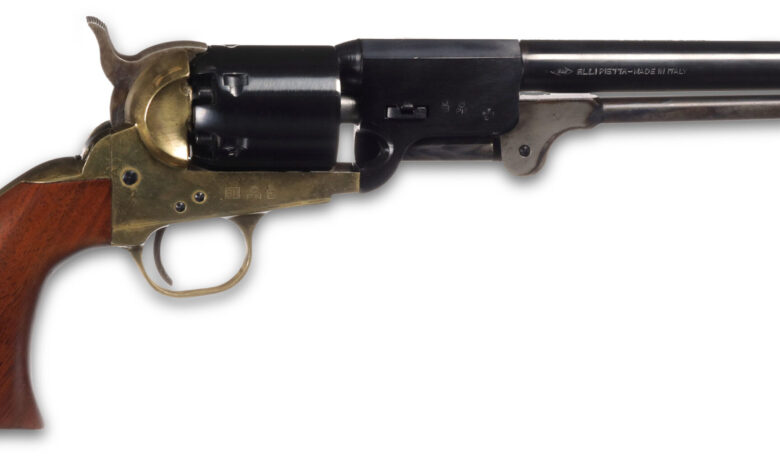
Buffalo Bill’s Tours of Italy and the ‘Spaghetti Western’ Inspired Replica Old West Firearms
Virtually every Old West aficionado is familiar with Buffalo Bill Cody’s popular Wild West shows, which traveled the United States and across the Atlantic Ocean in the late 19th and early 20th centuries. During Cody’s 1890 and 1906 European tours throngs of Italians in arenas from Rome to Bologna thrilled at the showmanship of Buffalo Bill and his revolving cast…
Read More » -

This Frenchman Tried to Best the Wright Brothers on Their Home Turf
Frenchman Henri Farman was already a celebrated cycling champion, race car driver and entrepreneur when he ordered a biplane from the world’s first airplane factory, Les Frères Voisin. Five months later, in January 1908, he won Ernest Archdeacon’s prize for the first officially observed heavier-than-air flight over a one-kilometer circular course. A week after making Europe’s first flight outside France…
Read More » -

Could These American Paratroopers Stop the Germans from Reaching Utah Beach on D-Day?
O n the evening of June 5, 1944, Louis Leroux, his wife, and their six children scrambled atop an embankment near their farm to investigate the sounds of distant explosions. Three miles south, Allied fighter-bombers were attacking bridges over the Douve River on France’s Cotentin Peninsula. In the fading twilight the family watched silhouetted warplanes peel away from the glowing…
Read More » -
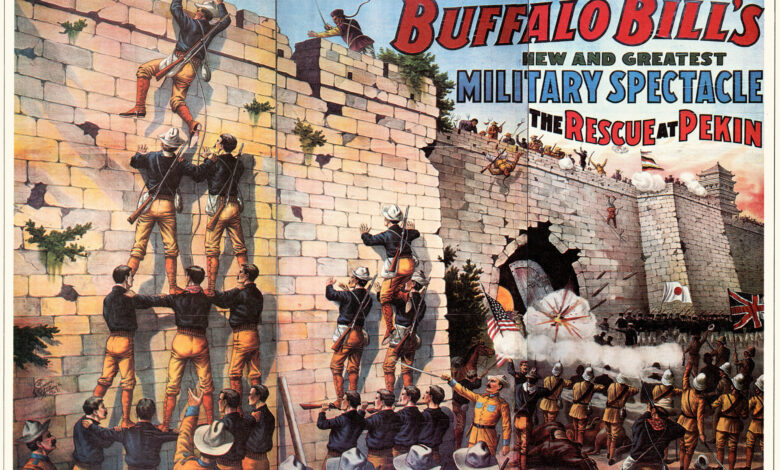
As the Boxer Rebellion Stole Headlines from His Wild West, Buffalo Bill Put the Clash into His Show
Fresh from robbing the Deadwood Stagecoach, the Sioux performers of Buffalo Bill’s Wild West changed into loose-fitting Chinese garb and attached long single braids to the backs of their heads, mimicking the clothing and hairstyle of the Boxers then rebelling halfway around the world. Thus was the stage set for the “Western Easterners” to man a wall and defend their…
Read More » -

An SAS Rescue Mission Mission Gone Wrong
Norman Crockatt is not a well-known name, but the British intelligence officer was responsible for one of the most controversial decisions of World War II. When the War Office in London created Military Intelligence Section 9 (MI9) on December 23, 1939, it chose the 45-year-old Crockatt to head the new organization. The former head of the London Stock Exchange, he…
Read More » -

Celebrating the Legacy of the Office of Strategic Services 82 Years On
As the United States stood on the brink of World War II, President Franklin D. Roosevelt recognized the urgent need for innovative military strategies to effectively confront the impending global conflict. Observing the unfolding events in Europe, he realized that defeating the Axis powers would require pioneering approaches to warfare. Roosevelt turned to William J. Donovan, a trusted advisor and…
Read More » -
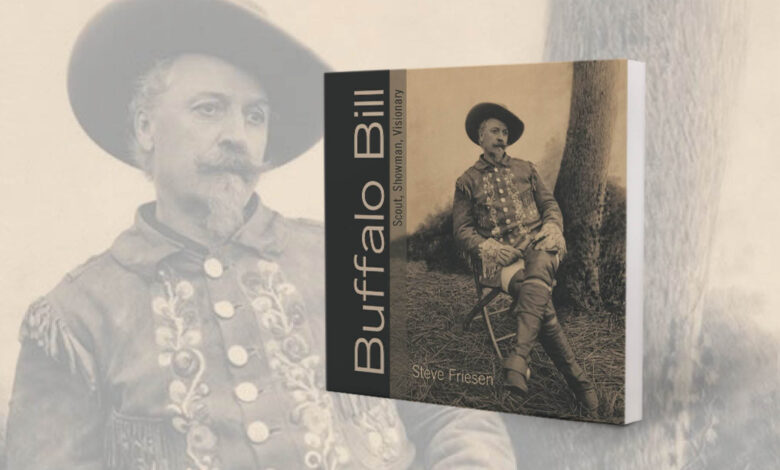
The Top Books and Films About Buffalo Bill Cody
Books Buffalo Bill: Scout, Showman, Visionary (2010, by Steve Friesen) This is my biography of William Frederick “Buffalo Bill” Cody, written when I was the director of the Buffalo Bill Museum & Grave. What sets it apart is a wealth of original photographs and images of artifacts and documents associated with the showman’s life, making it equally at home on…
Read More » -

During the War Years, Posters From the American Homefront Told You What to Do — And What Not to Do
“The First World War saw the first widespread use of propaganda to stir patriotic fervour,” note Gill Saunders and Margaret Timmers in The Poster: A Visual History. “The need to raise vast sums of money from the public purse to fund the war spawned numerous posters advertising war bonds and loans; countries on both sides of the conflict employed some…
Read More » -
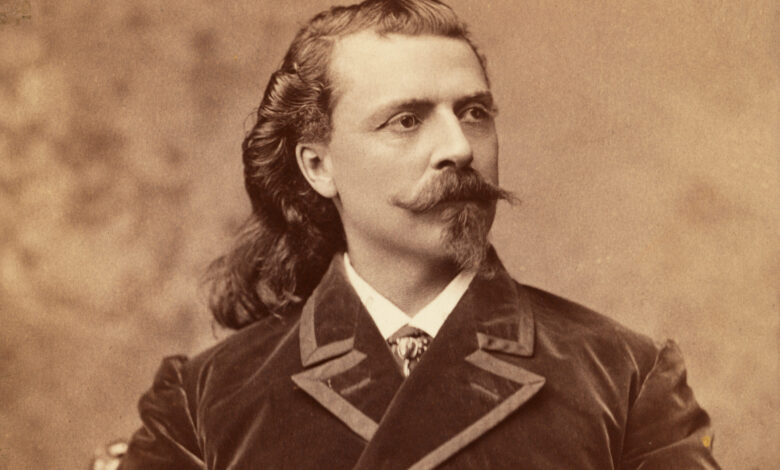
10 Pivotal Events in the Life of Buffalo Bill
1. Cody Family Moves to Kansas Will was born in Iowa Territory in 1846. In 1854 father Isaac moved the family to Kansas Territory in search of a better life. There young Will watched a wagon train embarking on the Oregon Trail and declared that was what he wanted to do. Three years later, at age 11, he did just that…
Read More » -

This Patient Rider Spent Months Retracing the Pony Express on Horseback
When the Central Overland California and Pikes Peak Express Co. launched the Pony Express on April 3, 1860, fanfare for the new express mail service made newspaper headlines from New York to San Francisco. The cheers came loudest from California where proponents hailed its commencement as a vital step forward in linking the Far West with the rest of the…
Read More »