
Science
-
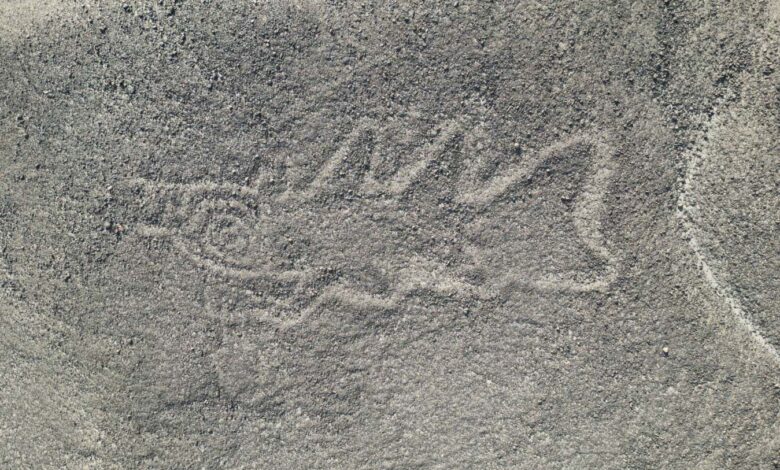
AI discovers hundreds of ancient Nazca drawings in Peruvian desert
A 22-metre-long drawing depicting a killer whale holding a knife Masato Sakai Hundreds of ancient drawings depicting decapitated human heads and domesticated llamas have been discovered in the Peruvian desert with the help of artificial intelligence. Archaeologists have previously linked these creations to the people of the Nazca culture, who started etching such images, called geoglyphs, into the ground around…
Read More » -

Evidence grows for dramatic brain remodelling during pregnancy
Pregnancy may permanently change parts of the brain bernardbodo/iStockphoto/Getty Images The human brain goes through significant changes during pregnancy with few regions untouched, according to the first ever map of this over the course of gestation and beyond. Some regions of the brain shrink during this time, while others grow and become better connected. These changes are thought to enable…
Read More » -
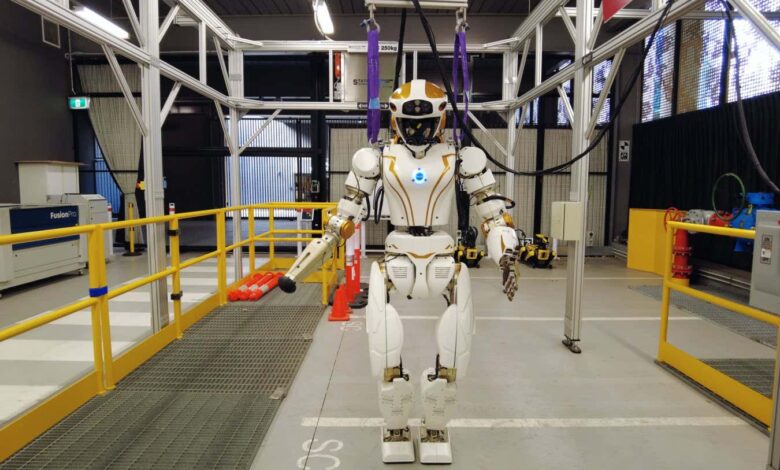
I took control of NASA’s Valkyrie robot and it blew my mind
NASA’s Valkyrie robot, ready to be inhabited through virtual reality James Woodford I am standing before one of the most advanced robots in the world and am awestruck and disoriented by its humanoid form. Part Transformer, part Star Wars stormtrooper and with hands that look like they can crush beer cans, at 1.8 metres tall and weighing 120 kilograms, NASA’s…
Read More » -
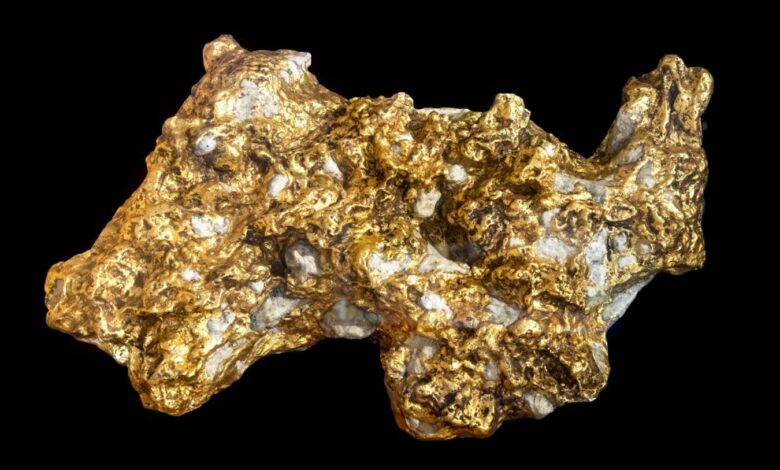
Earthquakes may explain how huge gold nuggets form in quartz rock
A replica of the Welcome Stranger, a gold nugget weighing almost 100 kilograms found in Australia in 1869 Ian Dagnall/Alamy Earthquakes may cause gold nuggets to form in quartz by generating an electric field that attracts gold dissolved in fluid forced up from deep underground. Enormous gold nuggets are often associated with quartz, a ubiquitous but chemically inert mineral. The…
Read More » -

This is how your brain knows when the beat is about to drop
We can enjoy music because of our ability to recognise musical boundaries NDAB Creativity/Shutterstock We may finally know how the brain processes a beat drop: people use two distinct brain networks to anticipate and identify transitions between segments in a piece of music. Musical boundaries, the moments when one section of a composition ends and another begins, are important to…
Read More » -

Why the underground home of the world’s weirdest wildlife is in danger
A lava cave in Iceland is a tiny part of a vast, underground habitat found around the planet TOMMY AU PHOTO/Getty Images One moment Stefano Mammola is standing in a mossy forest overlooking northern Italy’s Po plain. The next, he has vanished through a hole little wider than his body, into the forest floor. With less grace, I clamber after him,…
Read More » -

The climate impact of feeding ourselves is getting worse and worse
Cattle farming produces large amounts of greenhouse gases Alan Hopps/Getty Images With the world’s population growing, the only way to reduce the enormous greenhouse gas emissions from farming is to make food production ever more efficient. Unfortunately, efficiency gains have stalled since 2010, meaning farming emissions – and deforestation – could rise sharply as demand for food continues to grow.…
Read More » -

Keto diet helps with weight loss but also raises cholesterol levels
Keto diets involve getting most of your calories from fat Shutterstock/George Dolgikh Eating a keto diet, which entails consuming most of your calories from fat and very few from carbohydrates, does lead to fat loss, but may also clog arteries and negatively affect the gut microbiome. Also known as a ketogenic diet, this way of eating forces the body to…
Read More » -

Controversial idea to save corals would replace them with new species
Could drastic action help restore coral reefs? Serge Melesan / Alamy Corals are being hit so hard by global warming that the only way to save reef ecosystems may be to replace native species with more heat-tolerant ones from elsewhere in the world. That is the view of two coral researchers who are calling for the benefits and risks of…
Read More » -

From Pearl Jam to Dolly Parton, how musicians’ tempos change over time
The band Pearl Jam playing in Barcelona earlier this month Kike Rincon/Europa Press via Getty Images The tempo of songs released by many popular musicians increases until they are in their early 30s and then steadily declines, falling below their teenage level when they reach their 50s. “We saw this very clear downward trend,” says Geoff Luck at the University…
Read More »